Growing plants and flowers is not complicated once you understand a handful of core ideas: match the plant to your environment, give it the right light and water, feed it occasionally, and deal with problems before they spiral. That's it. Everything else is just detail layered on top of those basics. Whether you have a backyard, a sunny windowsill, or a corner with almost no light, there is a plant that will thrive in your exact setup. This guide walks you through every step, from choosing what to grow to troubleshooting trouble signs, so you can stop guessing and start growing.
How to Grow Plants and Flowers: Step-by-Step Guide
Marcus Holloway
24 Mar 2026
Choosing Plants and Flowers for Your Specific Environment
The single biggest mistake beginners make is buying a plant they love the look of and then trying to force their environment to suit it. Flip that around. Start with your environment and let it tell you what will work. The USDA Plant Hardiness Zone Map lets you plug in your ZIP code and find your zone, which tells you what temperature ranges your outdoor plants need to survive winters. This matters enormously for perennials and shrubs. One important caveat the USDA itself flags: microclimates exist inside any mapped zone. A south-facing brick wall, a low-lying frost pocket in your yard, or a rooftop garden can behave like a different zone entirely, so pay attention to your specific spot, not just the map number.
For timing annuals and vegetables outdoors, look up your average last spring frost date and first fall frost date by ZIP code using a tool like the Old Farmer's Almanac Frost Dates Calculator. These are averages, not guarantees. A late frost can and does happen after the listed date, so if you're in a tricky climate, hold off transplanting frost-sensitive plants until you've had a few nights above freezing in a row.
Once you know your zone and frost window, ask yourself a few honest questions about your setup before picking anything. How many hours of direct sun does your space get? Is it indoors or outdoors? Do you travel or forget to water for stretches of time? Are you working with a big bed, a single pot, a windowsill, or no natural light at all? Your answers narrow the field fast.
- Full sun (6+ hours of direct light): zinnias, petunias, marigolds, lavender, tomatoes, basil
- Partial shade (3–6 hours): impatiens, begonias, ferns, hostas, most mint varieties
- Low light indoors: pothos, snake plants, ZZ plants, peace lilies
- Small spaces or containers: herbs, dwarf varieties, trailing flowers like lobelia or bacopa
- Forgetful waterers: succulents, zinnias (once established), snake plants, lavender
- No outdoor space: hydroponics, terrariums, windowsill herb gardens
Easy wins for absolute beginners include zinnias, marigolds, and sunflowers outdoors, and pothos or snake plants indoors. These plants are genuinely hard to kill under normal conditions, which gives you room to learn without losing your momentum.
Planting Basics: Timing, Spacing, Depth, and Containers vs. Ground
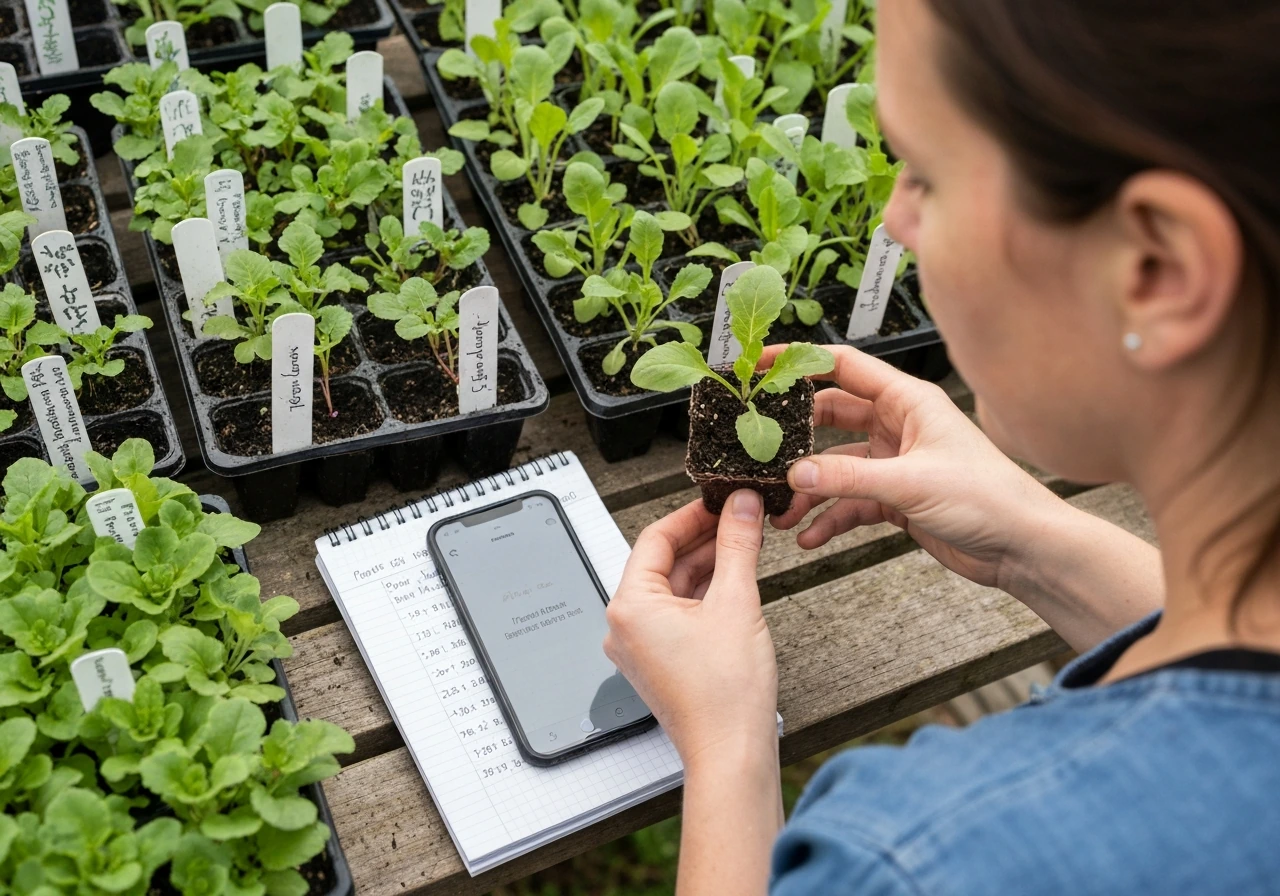
Timing is everything in outdoor planting. Most warm-season flowers and vegetables (zinnias, basil, tomatoes, petunias) go in after your last frost date when soil has warmed to at least 60°F. Cool-season plants like pansies, snapdragons, and kale can handle light frost and get planted earlier in spring or in fall. Starting seeds indoors typically happens 6 to 8 weeks before your last frost date so seedlings are ready to go out at the right moment.
Planting depth matters more than most people think. A general rule: plant seeds at a depth roughly two to three times their diameter. Tiny seeds like petunia and snapdragon get pressed right onto the soil surface or barely covered. Larger seeds like sunflowers or beans go about an inch deep. For transplants (seedlings you're moving from a pot or tray), plant them at the same depth they were growing in their container, with one exception: tomatoes can be planted deeper because they form roots along their buried stems.
Spacing is the other variable beginners routinely underestimate. Crowded plants compete for water, nutrients, and light, and poor air circulation invites fungal disease. Read the seed packet or plant tag and actually follow the spacing recommendation. It will look sparse at first and fill in beautifully by midsummer.
Containers vs. Ground Planting
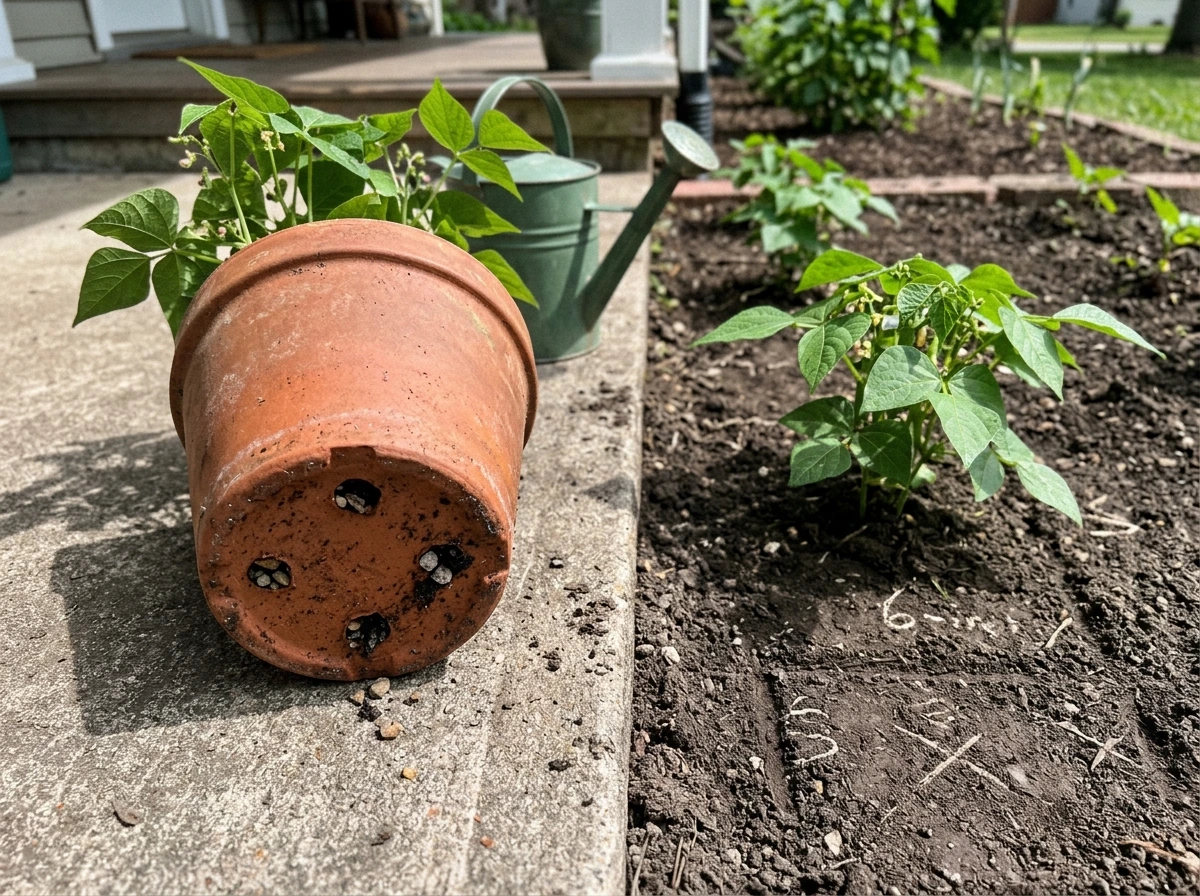
Ground planting gives roots more room to spread and is generally more forgiving with watering because soil buffers moisture. Container planting gives you control: you can move plants to chase sun, protect them from frost, or bring them indoors. The trade-off is that containers dry out much faster and have limited nutrient reserves.
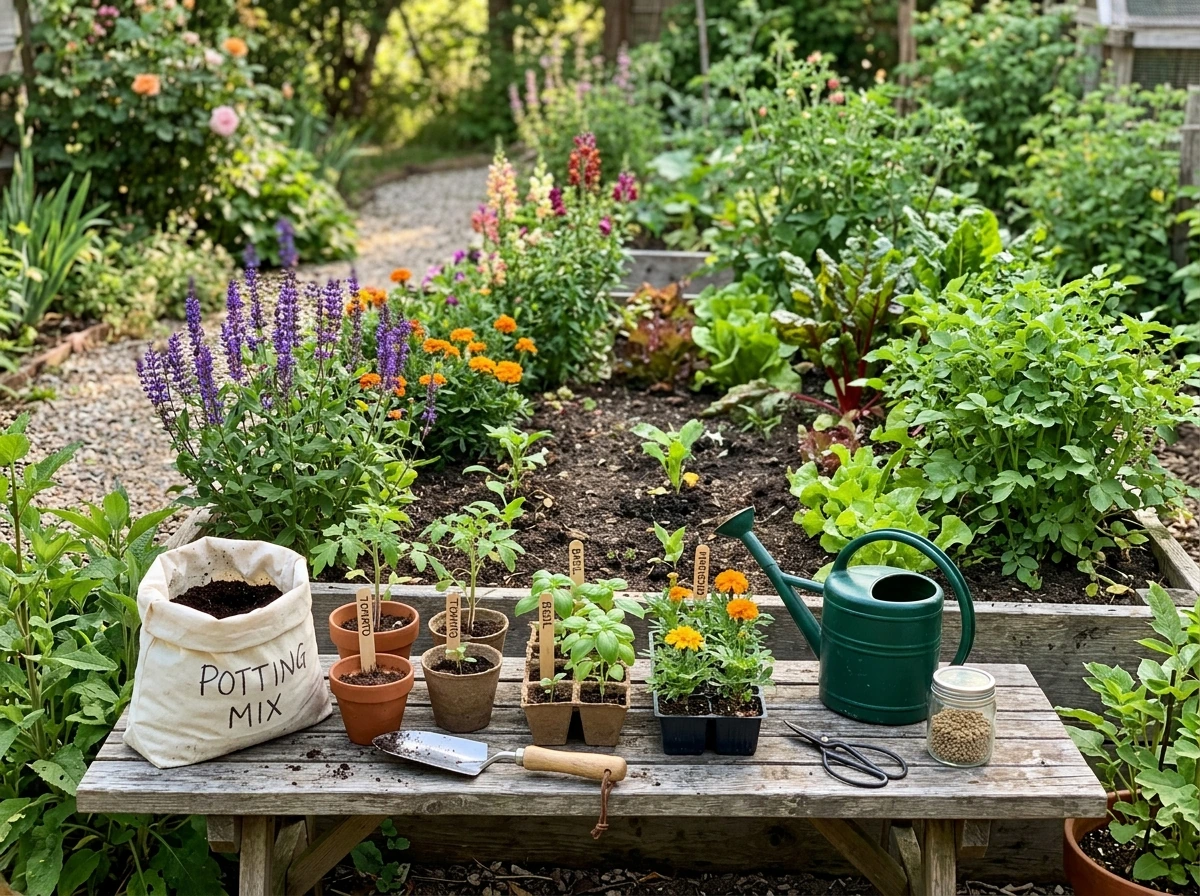
If you're using containers, drainage holes are non-negotiable. A pot without drainage will slowly drown your plant, no matter how carefully you water. Oregon State University Extension specifically calls out the importance of drainage holes and using a quality potting mix (not garden soil, which compacts in pots and starves roots of oxygen). Choose a container size that matches the plant: a 6-inch pot for a small herb, a 12-inch or larger pot for a tomato or a bushy petunia. Underpotting stunts growth; overpotting can cause the excess wet soil to rot roots.
Light, Temperature, and Watering: Match These to the Plant, Not Your Schedule
Plants run on light the way we run on food. Light drives photosynthesis, which produces the sugars plants use to grow, flower, and fruit. Get this wrong and nothing else you do will fix it. Too little light and a sun-loving plant gets leggy, pale, and stops flowering. Too much direct sun can scorch shade-lovers. Before you buy anything, count the actual hours of direct sunlight your space receives on a clear day.
Petunias, for example, need at least 5 to 6 hours of good sunlight to flower well, and they perform best in full sun all day. More shade genuinely means fewer blooms, according to University of Minnesota Extension guidance. Zinnias are similarly sun-hungry: full sun and well-drained soil, and they'll reward you with blooms from midsummer right through to the first frost. Basil needs 6 to 8 hours of bright light per day and sulks noticeably in lower light, producing fewer leaves and bolting to seed early. Indoors, if your south or west-facing window is the brightest spot you have, that's where your most light-demanding plants live.
Temperature affects germination, growth rate, and flowering. Most common garden flowers germinate best between 65°F and 75°F. Cool-season crops stall in summer heat; warm-season crops stall in cool soil. Indoors, most houseplants are comfortable in the same temperature range humans find comfortable, roughly 60°F to 80°F. Avoid placing plants directly in cold drafts from windows in winter or directly in the path of heating/cooling vents.
Watering is where most people go wrong, and the fix is simple: stop watering on a calendar and start watering based on what the soil actually tells you. University of Minnesota Extension advises feeling the top few inches of soil. If it's dry, water. If it's still damp, leave it. For outdoor garden beds, this usually means watering every 2 to 3 days in hot weather and much less in cool or rainy stretches. For basil specifically, the guidance is to water deeply every 7 to 10 days, adjusted for actual conditions. When you do water, water deeply so the moisture reaches the root zone, then let the surface dry slightly before watering again. Shallow, frequent watering trains roots to stay near the surface where they're vulnerable to heat and drought.
Soil, Pots, Water, Hydroponics, and Terrariums: Which Setup Works for You
The growing medium you choose shapes every other decision. Here is an honest breakdown of each approach so you can match your setup to your life.
| Growing Method | Best For | Main Advantage | Main Challenge | Skill Level |
|---|---|---|---|---|
| Garden Soil (In-Ground) | Outdoor beds, vegetables, perennials | Forgiving, buffers moisture and nutrients naturally | Weed management, soil amendments needed over time | Beginner |
| Containers with Potting Mix | Patios, balconies, indoor plants, herbs | Portable, full control over soil and drainage | Dries fast, needs regular feeding | Beginner |
| Water-Based (Passive Hydroponics) | Herbs, lettuces, small houseplants | Simple, low cost, no soil mess | Nutrients must be replaced, algae can form | Beginner to Intermediate |
| Active Hydroponics | Fast-growing herbs, vegetables, flowers indoors | Faster growth, high yields in small spaces | Requires pH and EC monitoring, equipment cost | Intermediate |
| Terrariums (Closed) | Ferns, mosses, tropical plants | Nearly self-watering, low maintenance | Limited to humidity-loving plants, no edibles | Beginner |
| Terrariums (Open) | Succulents, cacti, air plants | Good airflow, suits drought-tolerant plants | Needs more frequent watering than closed type | Beginner |
A Closer Look at Hydroponics
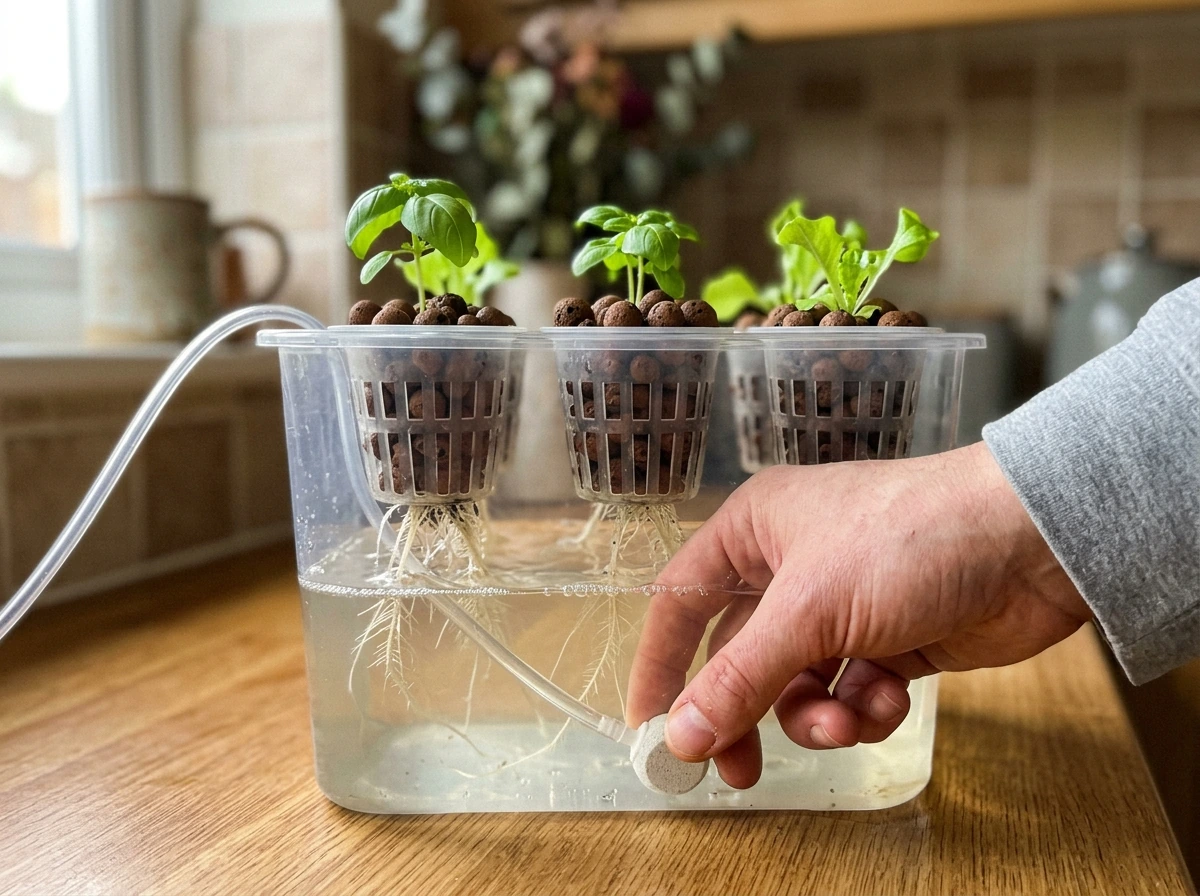
Hydroponics grows plants in a nutrient solution instead of soil. The appeal is faster growth and the ability to grow food indoors year-round. The catch is that the nutrient solution's pH has to stay in the right range for plants to actually absorb nutrients, even if those nutrients are technically present in the water. University of Missouri Extension makes this point clearly: a poorly balanced or badly mixed nutrient solution means plants starve even in a well-maintained system. Oklahoma State University Extension notes that managing electrical conductivity (EC) and pH can require meters that run $100 to $500 and consistent monitoring. If you're just starting out, try a simple passive system (like a Kratky setup for lettuce or herbs) before investing in active recirculating equipment.
Terrariums: The Low-Effort Option for Small Spaces
A closed terrarium is one of the most forgiving setups in gardening. Iowa State University Extension explains that a sealed terrarium creates its own mini water cycle: moisture evaporates from the soil, condenses on the glass, and drips back down. In practice, this means a well-built closed terrarium only needs watering every 3 to 6 months. The plants that thrive here are humidity-loving species like ferns, mosses, and small tropical plants. Open terrariums skip the humidity trap and suit succulents, cacti, and air plants. If you have low counter space, irregular schedules, or just want something almost self-maintaining, a closed terrarium is genuinely one of the best beginner options available.
Fertilizing, Pruning, and Getting More Blooms
Plants need nutrients the way we need vitamins: the right ones, in the right amounts, at the right time. The three main ones are nitrogen (N) for leafy growth, phosphorus (P) for roots and flowers, and potassium (K) for overall health. Most packaged fertilizers show these as three numbers (e.g., 10-10-10 or 5-10-5). For flowering plants, you generally want a formula with higher middle and last numbers to support blooms rather than pumping all energy into leaves.
Clemson HGIC recommends choosing fertilizer based on soil test results where possible, and always following label directions. Over-fertilizing is a real and common problem: too much fertilizer can burn roots, force excessive leafy growth at the expense of flowers, and even make plants more susceptible to pests and disease. If you haven't done a soil test and are gardening in the ground, a balanced slow-release granular fertilizer applied at planting and once or twice during the growing season is a safe, practical approach. Container plants need more frequent feeding because nutrients leach out with watering, so a diluted liquid fertilizer every 2 to 4 weeks during the growing season keeps them happy.
Pruning and deadheading are the two most underused tools for getting more blooms. Deadheading means removing spent flowers before they go to seed. When a plant sets seed, it signals to the plant that its reproductive job is done, and blooming slows or stops. Snipping off faded flowers tells the plant to keep trying. For petunias, marigolds, and zinnias, regular deadheading can extend the bloom period by weeks. Pruning (cutting back stems or shaping the plant) encourages bushier growth and more branching points, which means more flowers. Pinching back the growing tips of young basil and annual flowers when they're 4 to 6 inches tall is one of the most reliable tricks for producing fuller, bushier plants.
Common Problems and How to Troubleshoot Them Fast
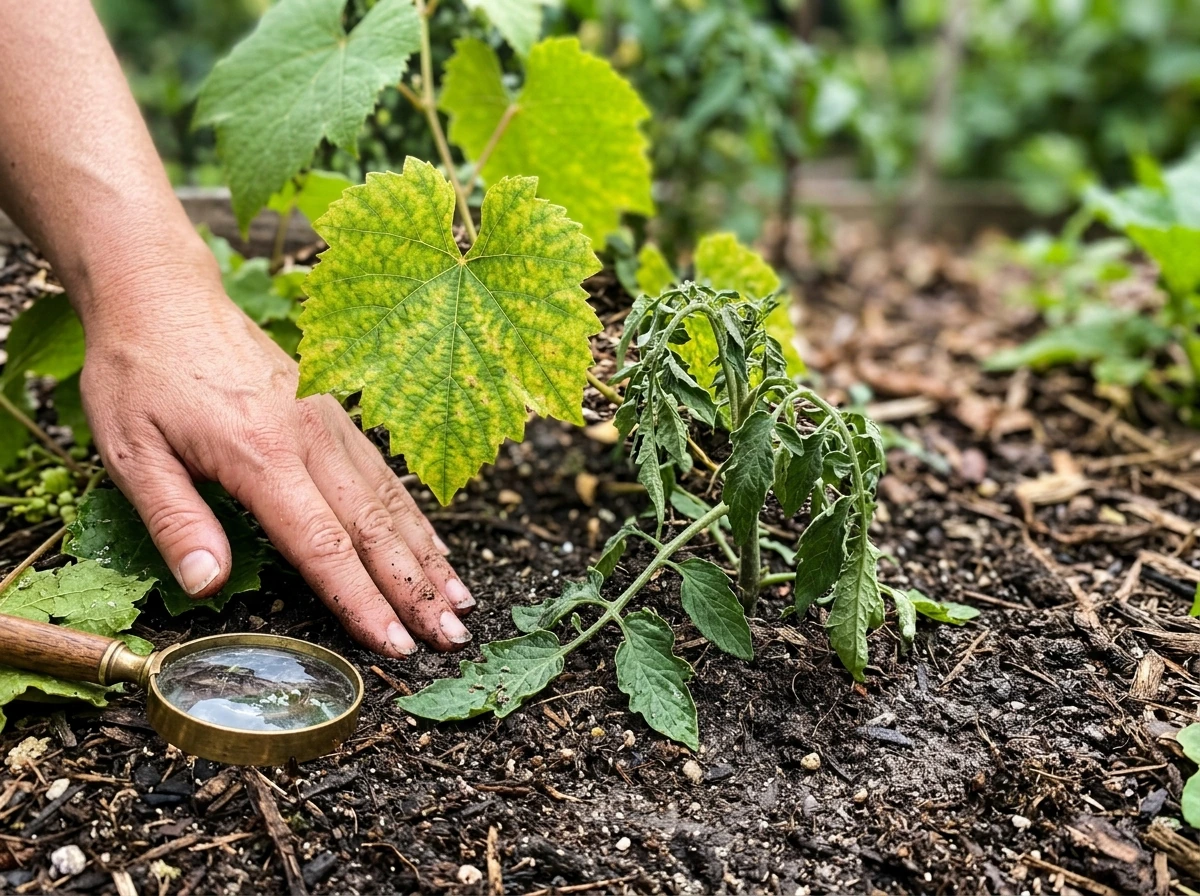
Even experienced gardeners deal with problems. The key is catching them early and not assuming the worst. Most plant issues come from one of a handful of causes: wrong light, wrong watering, nutrient imbalance, or pests. Here is how to read the signs your plant is giving you.
Yellow Leaves
Yellow leaves are the most common complaint and also the most ambiguous, because the cause could be several different things. UC IPM lists overwatering, root rot, nutrient deficiency, too much or too little light, and excessive fertilizer salts as all potential causes of yellowing and weak growth. Start by checking the soil: if it's soggy and the pot has poor drainage, overwatering is likely. If the soil is fine, check the light level and when you last fertilized. Lower leaves yellowing and dropping on an otherwise healthy plant often just means the plant is shedding old growth, which is normal.
Wilting
Wilting when the soil is dry is straightforward: the plant needs water. Wilting when the soil is wet is more serious and usually points to root rot from overwatering or a drainage problem. If you catch root rot early, you can sometimes save the plant by removing it from the pot, trimming any black or mushy roots, letting them air dry briefly, and repotting in fresh, well-draining mix.
Slow or Leggy Growth
Slow growth usually means insufficient light, cool temperatures, or low nutrients. Leggy growth (long, spindly stems reaching toward a light source) almost always means the plant isn't getting enough light. Move it closer to the window or upgrade to a grow light. If growth is slow but the plant looks otherwise healthy, it may just need a dose of balanced fertilizer.
Pests
Common pests include aphids, spider mites, fungus gnats, and mealybugs. Aphids and mealybugs are visible to the naked eye. Spider mites show up as tiny moving specks with fine webbing on leaf undersides. Fungus gnats (tiny flies around the soil) are annoying but their larvae can damage roots. For most pest situations, start with the least aggressive intervention: a strong spray of water to knock insects off, or a wipe-down with a damp cloth for mealybugs. Insecticidal soap spray handles most soft-bodied pests. Letting soil dry out more between waterings eliminates fungus gnat breeding conditions.
Powdery Mildew
Powdery mildew looks like a white or gray dusty coating on leaves, and it's especially common on zinnias, roses, and squash in humid conditions. UC IPM guidance points to cultural controls as the first line of defense: improve air circulation by not overcrowding plants, avoid overhead watering (wet leaves that stay wet overnight create ideal mildew conditions), and make sure plants are in full sun where possible. High leaf temperatures above 95°F can actually kill the fungus, which is why good sun exposure helps. Neem oil or horticultural oil sprays are effective early interventions if cultural changes alone aren't enough.
Your Weekly Care Routine and Beginner-Friendly Next Steps
One of the things that trips beginners up is thinking plant care has to be a big time commitment. In reality, most plants only need about 10 to 15 minutes of attention per week once they're established. The key is being consistent and observant rather than intensive.
A Simple Weekly Routine
- Check soil moisture: press your finger 2 inches into the soil. Water only if it's dry. Skip if it's still damp.
- Look over your plants: scan leaves top and bottom for any yellowing, spots, webbing, or insects. Catching problems early makes them much easier to fix.
- Deadhead spent flowers: snip off faded blooms to keep plants producing new ones.
- Check for leggy or crowded growth and pinch back or trim as needed.
- Make sure containers haven't dried out completely in hot weather (they may need water more than once a week in summer heat).
- Note anything that looks off so you can research it or adjust your care before next week.
What to Do This Week If You're Just Starting Out
If you haven't grown anything yet and want to start today, here is the most practical path forward based on what time of year it is. In late March, you're in a great window for starting seeds indoors (warm-season flowers and vegetables) and for direct sowing or transplanting cool-season plants outdoors in many zones.
- Look up your USDA hardiness zone and last frost date by ZIP code so you know your planting window.
- Pick one easy plant to start with: outdoors, try zinnias or marigolds from seed (direct sow after last frost); indoors, try a pothos or snake plant from a nursery.
- Get the right container or spot: make sure it has drainage if it's a pot, and get at least a general sense of how many hours of sun it receives.
- Buy a bag of quality potting mix for containers (not garden soil) or amend your garden bed with compost if you're planting in the ground.
- Water in your plant thoroughly after planting, then check back in a few days using the finger-test method before watering again.
- Set a weekly phone reminder to do your 10-minute plant check.
How to Scale Up From Here
Once your first plants are established and you're comfortable with the basic rhythm of watering, checking, and deadheading, start layering in complexity. Try adding a fertilizing routine. Experiment with starting plants from seed rather than buying transplants. Explore growing food plants like herbs or lettuce in a small container setup or a simple hydroponic kit. If you've mastered the basics in soil, a terrarium or passive hydroponic setup is a fun next challenge that uses a completely different set of skills. The site covers all of these in detail, including dedicated guides for garden growing, food plants, and unconventional methods like hydroponics, so you can go as deep as your interest takes you. how to grow anything how to grow anything
The most important thing to know as a beginner is that killing plants is part of the process, not a sign you lack a green thumb. Every plant you lose teaches you something specific about light, water, or timing that you'll apply correctly next time. The gardeners who seem effortlessly skilled got there by failing and adjusting repeatedly. Start simple, pay attention to what your plants are showing you, and keep going.
FAQ
What’s the easiest way to figure out how much light my plants actually get?
Besides counting direct sun hours, also note bright indirect light (for example, near a window) and how many hours the space stays unlit. If a plant looks stretched or stops flowering in the same spot for 2 to 3 weeks, that’s usually a light mismatch even if it still gets some sun.
Should I fertilize right after I plant, or wait?
For most new transplants and seedings in fresh potting mix, start with waiting until you see active new growth. If you fertilize immediately, it can worsen stress and contribute to salt buildup, especially in containers. Use half strength for the first feeding, then adjust.
How do I tell the difference between underwatering and root problems?
Check the soil and the plant response together. If the soil is dry and leaves perk after watering, it’s likely underwatering. If soil is consistently damp and leaves wilt or yellow, suspect overwatering or poor drainage, and inspect roots for dark or mushy tissue before saving the plant.
Can I use garden soil in containers?
Usually no. Garden soil compacts in pots, reduces oxygen around roots, and can drain unevenly. Use a purpose-made container potting mix, and refresh it periodically because it breaks down and loses structure over time.
How often should I water outdoors if the weather is unpredictable?
Use weather as a guide, not a schedule. After a hot day, re-check soil moisture the next morning, especially for containers. After rain, wait and confirm dryness before watering again, since overwatering after wet weather is a common cause of yellowing and root rot.
What container size is “just right” for most beginners?
As a starting rule, choose a container that leaves about 1 to 2 inches of space between the root ball and the pot wall. Too small dries out fast, too large stays wet longer. If you are unsure, slightly underpotting is less risky than dramatically overpotting for beginners.
Do I need to deadhead every plant?
Many do, but not all. Deadheading helps most flowering annuals and some perennials prevent seed set. If a plant naturally flowers once and then forms seed heads (common with some ornamental types), removing spent blooms may not increase flowering and can reduce seed production.
How can I prevent fungal problems like powdery mildew without spraying?
Focus on airflow and leaf dryness. Avoid overcrowding, water at the soil level instead of overhead, and remove heavily infected leaves early. If humidity stays high, prioritize varieties that tolerate mildew better and choose spots with good morning sun.
Is it better to start from seed or buy transplants for the first season?
If you want quick results and fewer variables, buy sturdy transplants for your first attempt. Start seeds when you can control timing (indoors) and you have enough light. Many gardeners do a hybrid approach: seeds for easy crops, transplants for finicky or long-season plants.
What should I do if my plant keeps growing leaves but never flowers?
First check light, because insufficient light often causes “leafy only” growth. Next, consider nitrogen-heavy fertilizer, which can push foliage at the expense of blooms. Finally, verify that you’re not over-feeding too frequently in containers, since lush growth can also stall flowering.
Can I grow plants and flowers in low light successfully?
Yes, but you need to match plant choice. Look for lower-light houseplants and avoid expecting heavy blooms from plants that require full sun. If your goal is flowers, plan on supplemental light (like a grow light) because natural window light often isn’t strong enough for repeat flowering.
How much weekly time do I really need to spend once plants are established?
Most weeks are short, but the “check” needs to be consistent. Target 10 to 15 minutes to inspect leaves, stems, and soil moisture, and adjust watering based on what you find. If you miss check-ins during hot spells, containers can dry out in 1 to 2 days, so that’s the main risk period.